Author: Matthew Namee
-
The Ecumenical Patriarchate on the Eve of War, 1840-1852
The great Ecumenical Patriarch Gregory VI was deposed by the Ottoman authorities in 1840. After this, next few Ecumenical Patriarchs came and went in rapid succession: after a year on the throne, Anthimus IV…
-
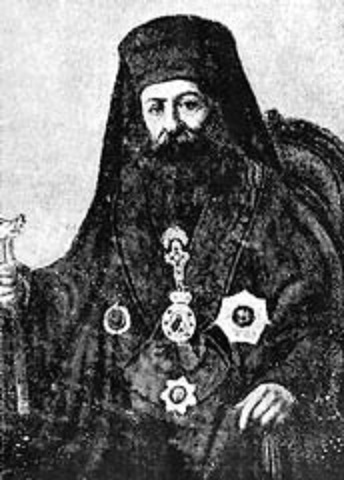
The Patriarch Who Defied the Ottoman Empire
Previously, I told the story of the Ecumenical Patriarchs from the outbreak of the Greek Revolution in 1821 until the resignation of the weak and ineffective Patriarch Constantius II in 1835. Today we’re…
-
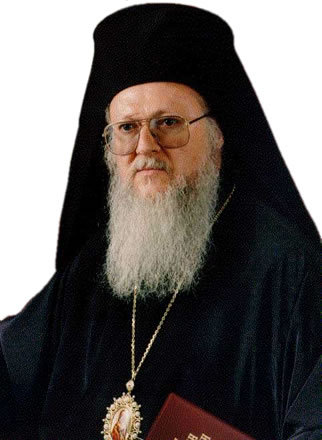
The Ecclesiological Vision of Patriarch Bartholomew
Thirty years ago, October 22, 1991, the 51-year-old Metropolitan Bartholomew of Chalcedon was elected Ecumenical Patriarch, inaugurating a new era in not only the Patriarchate of Constantinople but the Orthodox Church globally. One of…
-
The Ecumenical Patriarchate at the Mercy of the Sultan
At around five o’clock in the afternoon on Holy Saturday, 1821, Ecumenical Patriarch Gregory was celebrating the Vesperal Divine Liturgy at the Phanar when Ottoman police surrounded and seized Gregory and the other bishops…
-
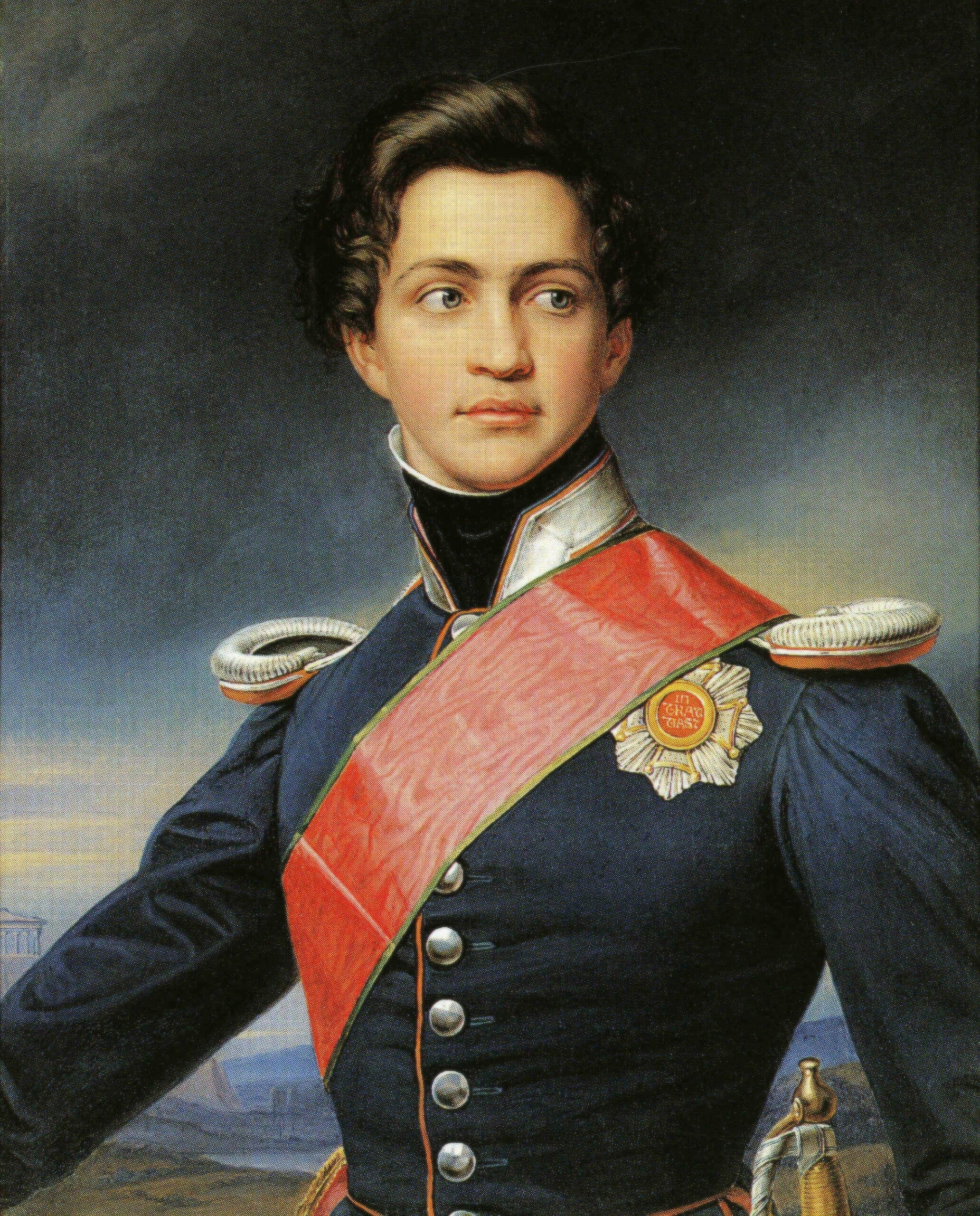
Autocephaly or Subjugation to the State? The Church of Greece after the Revolution
The Greek War of Independence began 200 years ago, in 1821, and one of the big consequences of the war was the estrangement of the Orthodox Church in revolutionary Greece from its mother church…
-

Turkish Interference in the 1972 Ecumenical Patriarchate Election
Athenagoras Spyrou was elected Ecumenical Patriarch in 1948 thanks largely to the influence of the United States government, particularly Secretary of State George Marshall. At the time, Marshall had consulted the powerful Greek-American businessman…
-
Jerusalem Wasn’t Really Autocephalous from 1669-1845
From the fall of the Byzantine Empire until the 17th century, it was customary for the Patriarch of Jerusalem to appoint his own successor, usually by making the chosen heir the Metropolitan of Caesarea.…
-
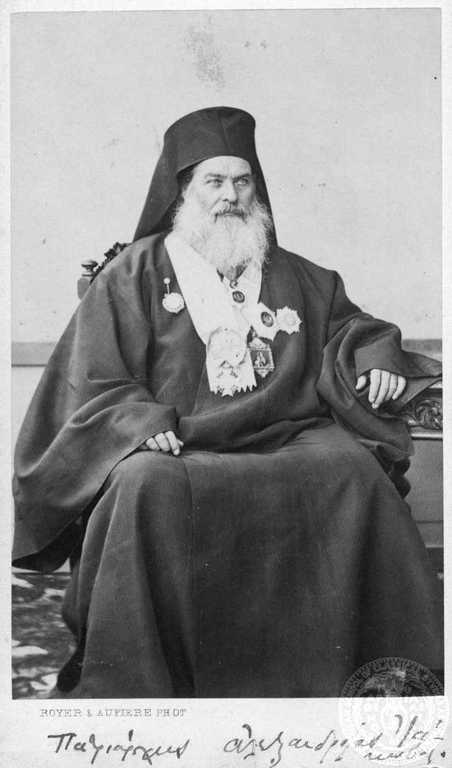
Was Alexandria Really Autocephalous in the 19th Century?
The Patriarchate of Alexandria was founded by the Apostle Mark, at a time when Alexandria was essentially the second city of the Roman Empire, after Rome itself. Largely because of this, in the earliest…
-
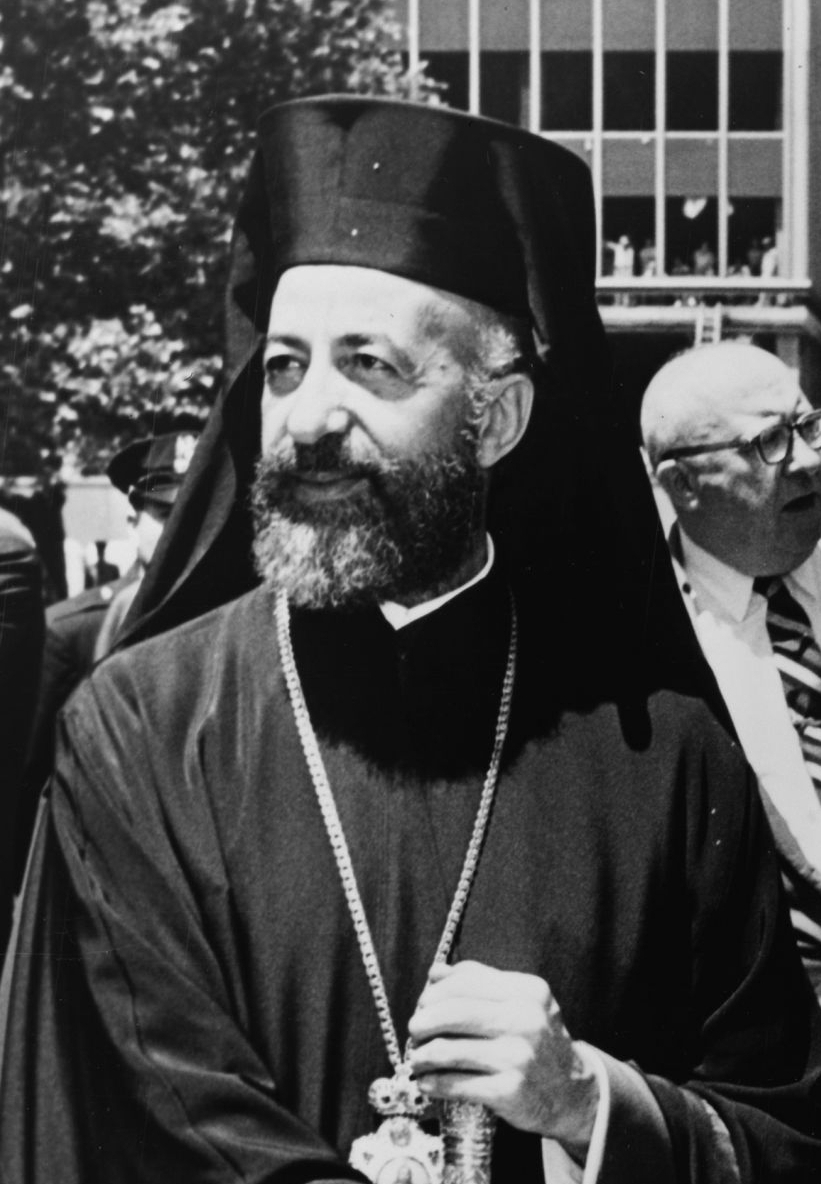
An Ecclesiastical Coup d’Etat & the Pan-Orthodox Council of 1973
Archbishop Makarios III of Cyprus was also the first President of Cyprus, serving three terms between 1960 and his death in 1977. He survived four assassination attempts and a coup d’etat, and in the…
-
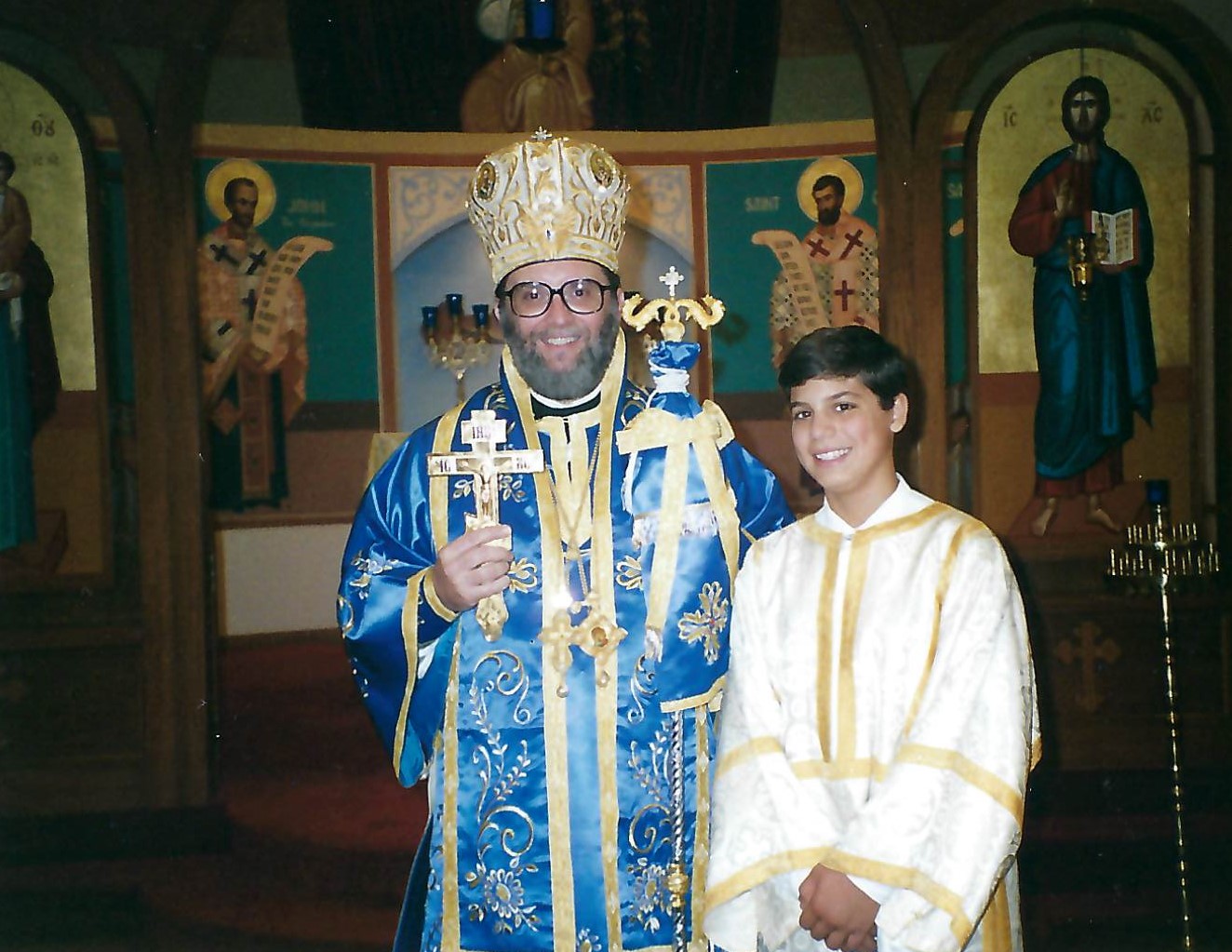
A Tribute to Bishop Basil of Wichita
Bishop Basil Essey, the longtime Antiochian Bishop of Wichita and Mid-America, is preparing to retire at the end of this year. Many Antiochians learned of this for the first time over the weekend, when…