Category: Global Orthodoxy
-
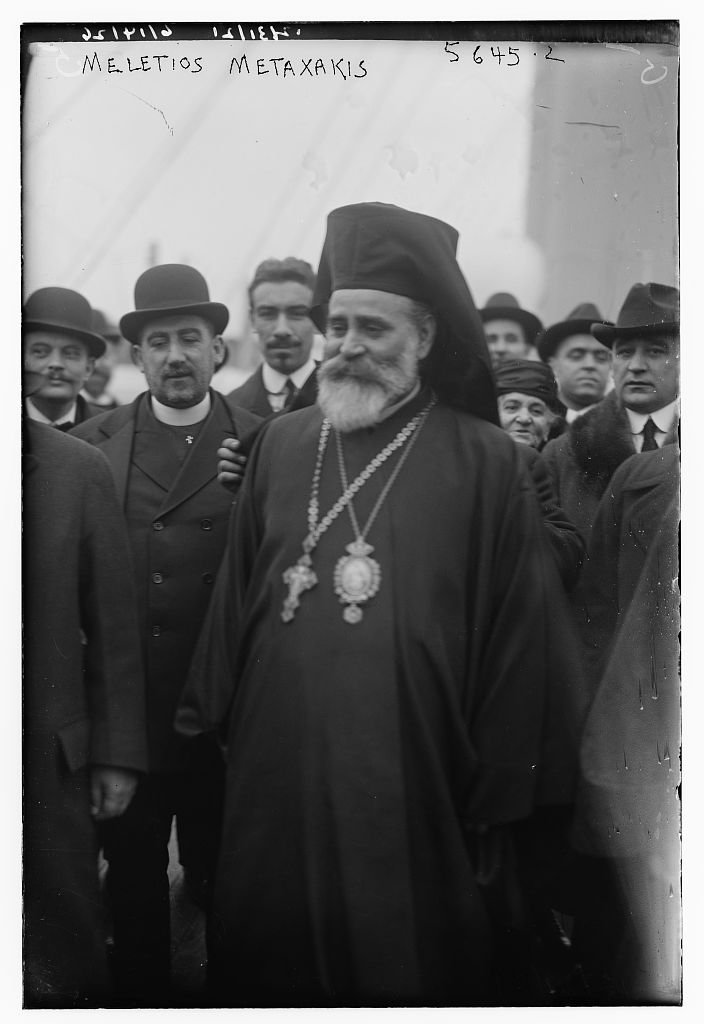
An Interview with Meletios Metaxakis
In the spring of 1919, Meletios Metaxakis was the Metropolitan of Athens and primate of the Church of Greece. World War I had ended the year before, and the Great Powers were still sorting…
-

St John of Kronstadt’s Surprising Respect for Anglicanism
W.J. Birkbeck was a living bridge between Orthodoxy and Anglicanism at the turn of the last century. An Englishman, he fell in love with Russia and spent huge amounts of time there, developing contacts…
-
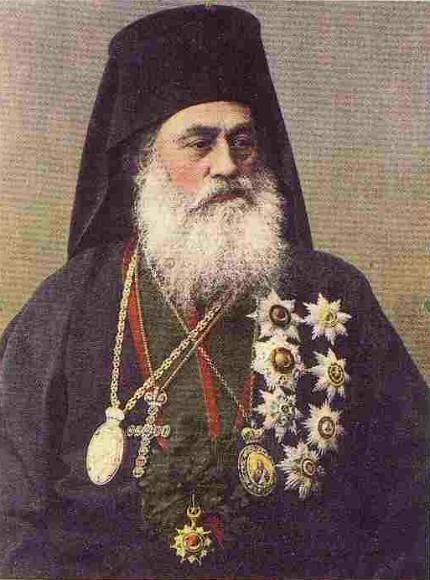
The Ecumenical Patriarchate and the Loss of Its ‘Privileges’ in the Late 19th Century
For over a year now, I’ve been telling the story of the Ecumenical Patriarchate in the nineteenth century. Here are the previous articles I wrote on the subject: The Ecumenical Patriarchate at the Mercy…
-
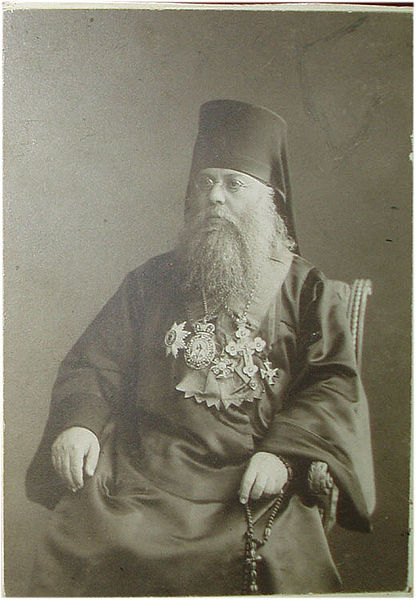
The Georgian Patriarch’s Rebuke of St Tikhon
For centuries, the Orthodox Church in Georgia was autocephalous, with its own Patriarch (also known as “Catholicos”). In fact, for a long time there were actually two autocephalous Georgian Churches, one in the east…
-
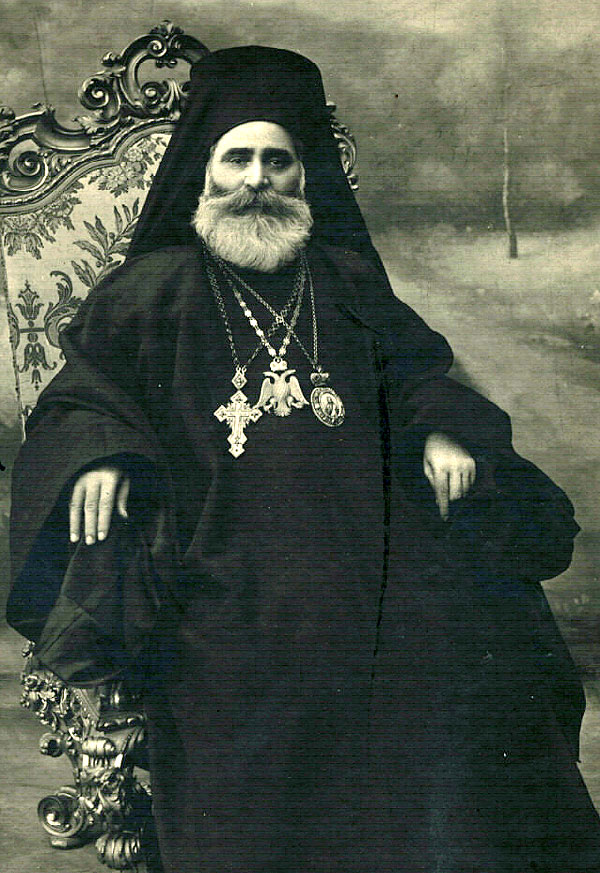
The Origins of the ‘Barbarian Lands’ Theory
This paper was originally presented at the conference “The Greek Archdiocese at 100 Years,” Hellenic College-Holy Cross Greek Orthodox School of Theology, October 7, 2022. I am indebted to numerous friends and colleagues who…
-
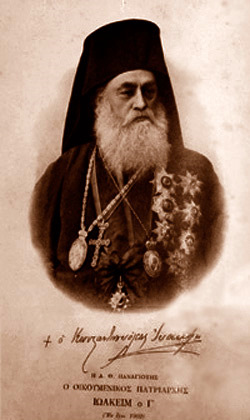
Who Had Jurisdiction Over the Diaspora in 1907?
As readers of this website surely know, a large Greek diaspora emerged at the turn of the last century, with hundreds of thousands of Greeks (and other Orthodox Christians) emigrating from their homelands, particularly…
-
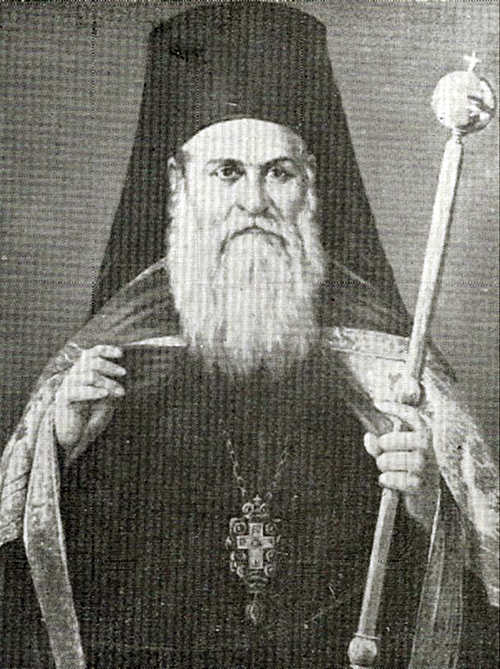
The War of the Two Kyrilloses
On May 22, 1900, Archbishop Sophronios II of Cyprus died. This left just two bishops in the entire Church of Cyprus – the Metropolitan of Kition and the Metropolitan of Kyrenia. Both of these…
-
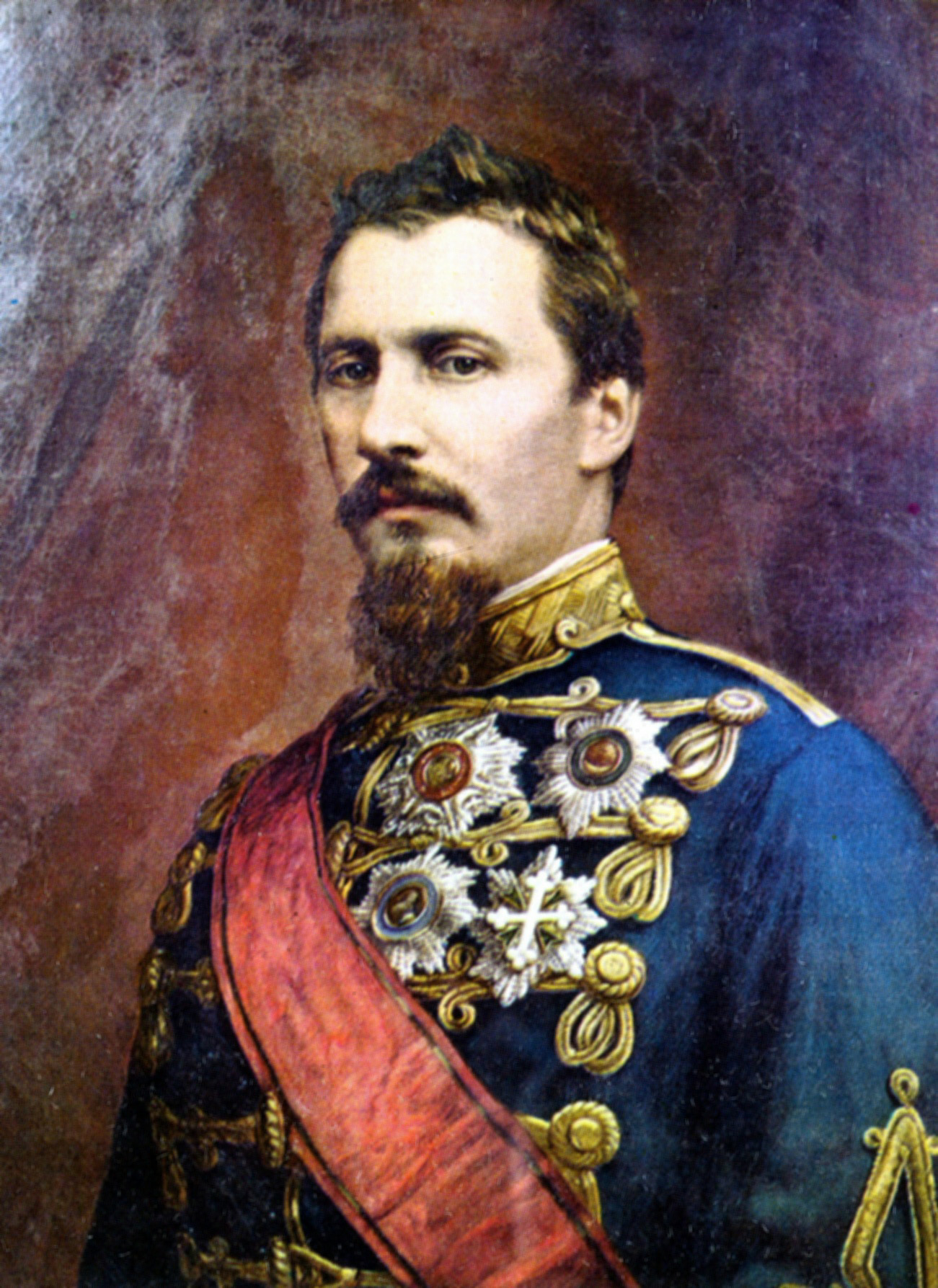
Romanian Autocephalies & the Birth of the Modern Patriarchate of Romania
Today I’m going to try to tell the story of how the Romanian Orthodox Churches became independent. You’ll notice that I said “Churches,” not “Church” – that’s because, in the 19th century, there were…
-

When Did Today’s Autocephalous Churches Come into Being?
The oldest autocephalous church in the world attained its current form in 1845. Today, depending on whom you ask, there are fourteen or fifteen or maybe sixteen (or seventeen?) autocephalous Orthodox Churches in the…
-
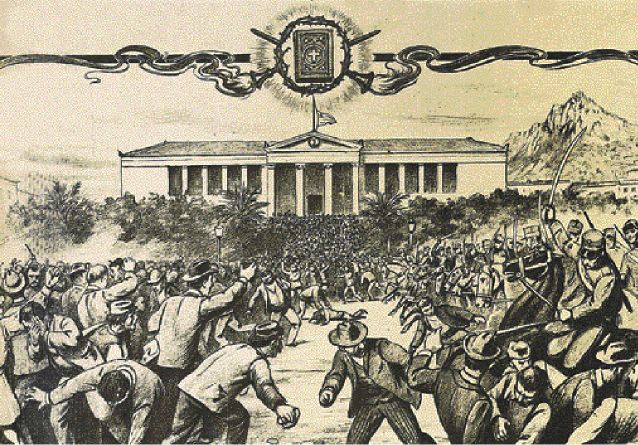
The Athens Gospel Riots of 1901
At the end of the 19th century, the Russian-born Queen Olga of Greece commissioned her private secretary to translate the four Gospels into Modern Greek to make them more accessible to the ordinary laypeople.…