Category: Global Orthodoxy
-

Turkish Interference in the 1972 Ecumenical Patriarchate Election
Athenagoras Spyrou was elected Ecumenical Patriarch in 1948 thanks largely to the influence of the United States government, particularly Secretary of State George Marshall. At the time, Marshall had consulted the powerful Greek-American businessman…
-
Jerusalem Wasn’t Really Autocephalous from 1669-1845
From the fall of the Byzantine Empire until the 17th century, it was customary for the Patriarch of Jerusalem to appoint his own successor, usually by making the chosen heir the Metropolitan of Caesarea.…
-
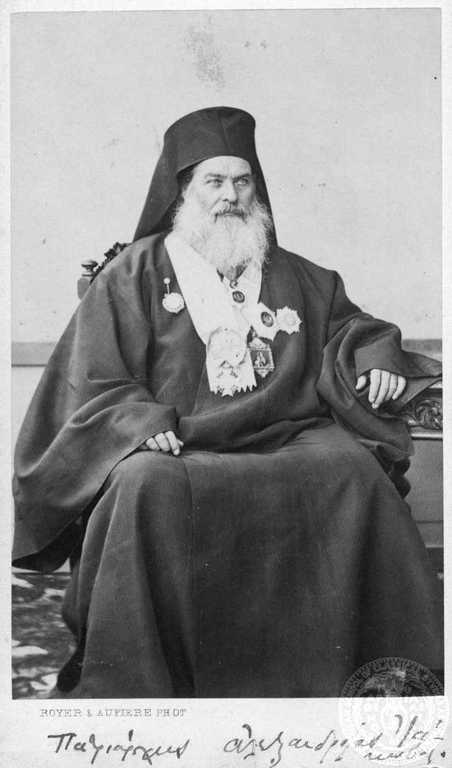
Was Alexandria Really Autocephalous in the 19th Century?
The Patriarchate of Alexandria was founded by the Apostle Mark, at a time when Alexandria was essentially the second city of the Roman Empire, after Rome itself. Largely because of this, in the earliest…
-
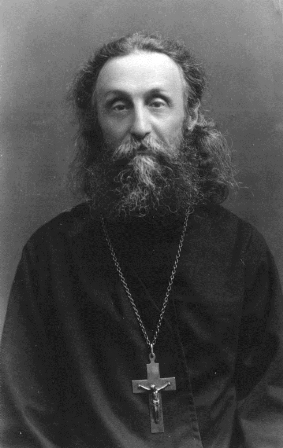
Protopresbyter Pontius Rupyshev – a spiritual light from Vilnius
I serve in Vilnius Cathedral of the Dormition which is the historical cathedral of the Orthodox Church in Lithuania. Today it functions as a simple parish, our metropolitan lives and mostly serves the Divine…
-
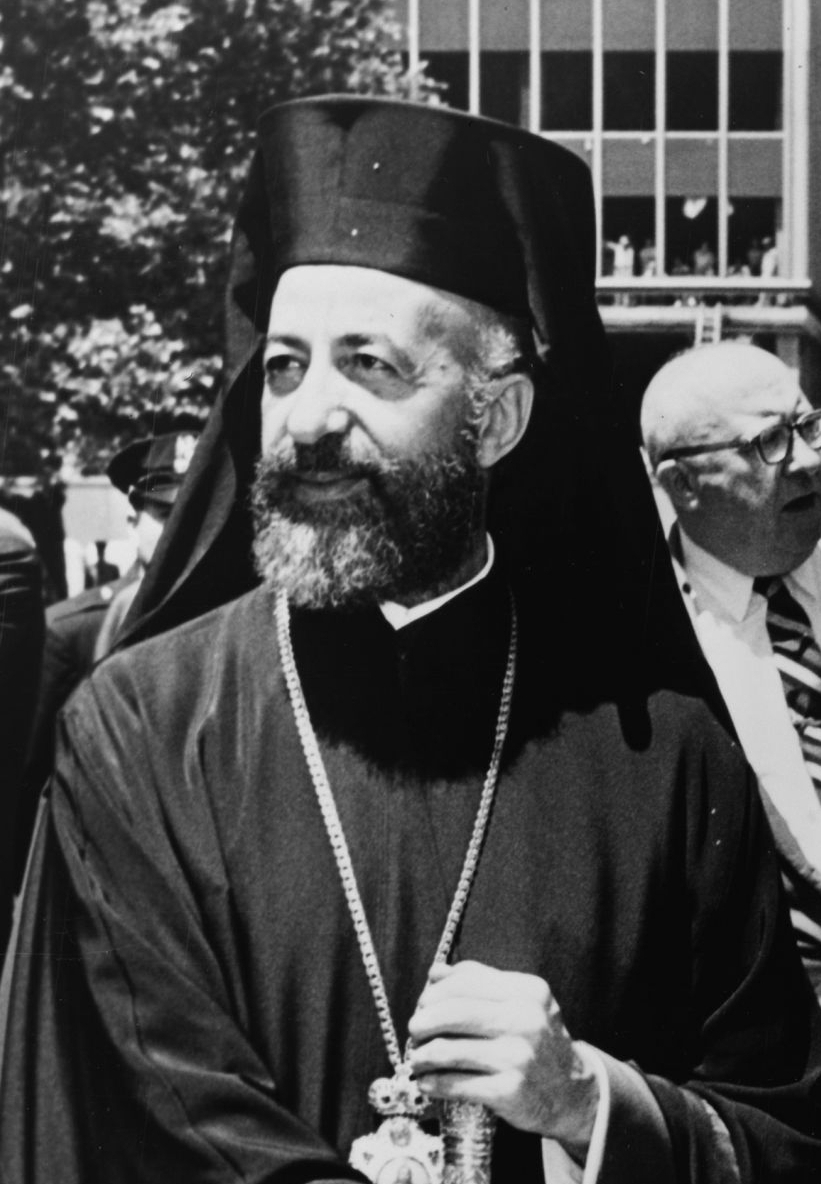
An Ecclesiastical Coup d’Etat & the Pan-Orthodox Council of 1973
Archbishop Makarios III of Cyprus was also the first President of Cyprus, serving three terms between 1960 and his death in 1977. He survived four assassination attempts and a coup d’etat, and in the…
-
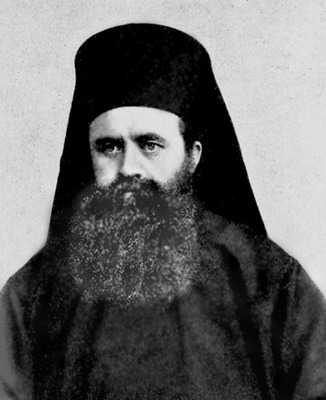
The End of the “Greek Captivity” of Antioch
For most of the 18th and 19th century, the Patriarchate of Antioch was controlled by ethnic Greeks rather than the local Arabic-speaking people. The Patriarch was always a Greek, a member of the Brotherhood…
-

The Phanar vs. the French Revolution
In 1797, revolutionary France conquered the Republic of Venice, and, with it, the Ionian Islands, which were a Venetian possession but were inhabited by Greek Orthodox Christians. The next year, the Russian, British, and…
-
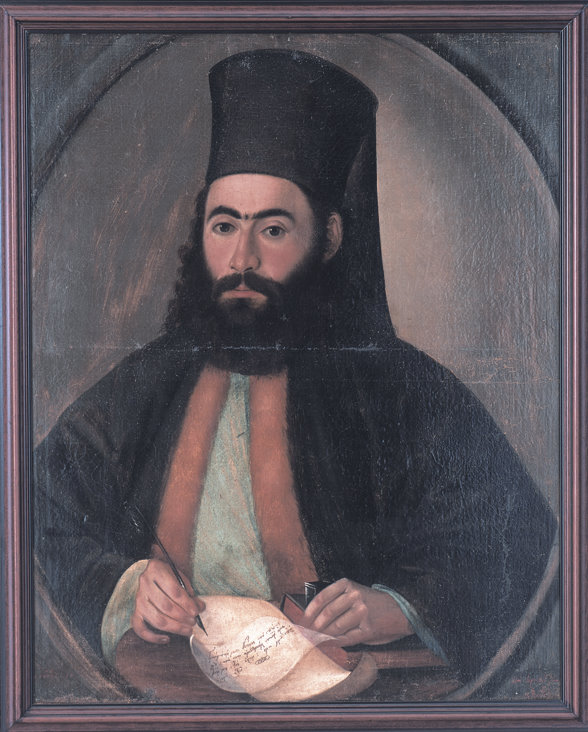
The 1821 Massacre of Greeks in Cyprus
In October 1818, Archbishop Kyprianos of Cyprus met with representatives of the Filiki Eteria, the Greek secret society that was preparing to launch a war for independence. While some sources claim that he was…
-
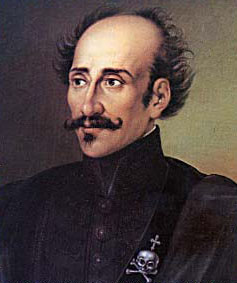
“To Arms, For Our Country and Our Religion!”
What follows is the text of Alexander Ypsilantis’s call to the Greek people to revolution against the Ottoman Empire. The proclamation is dated February 23 (Julian March 7), 1821. It was published in English…
-
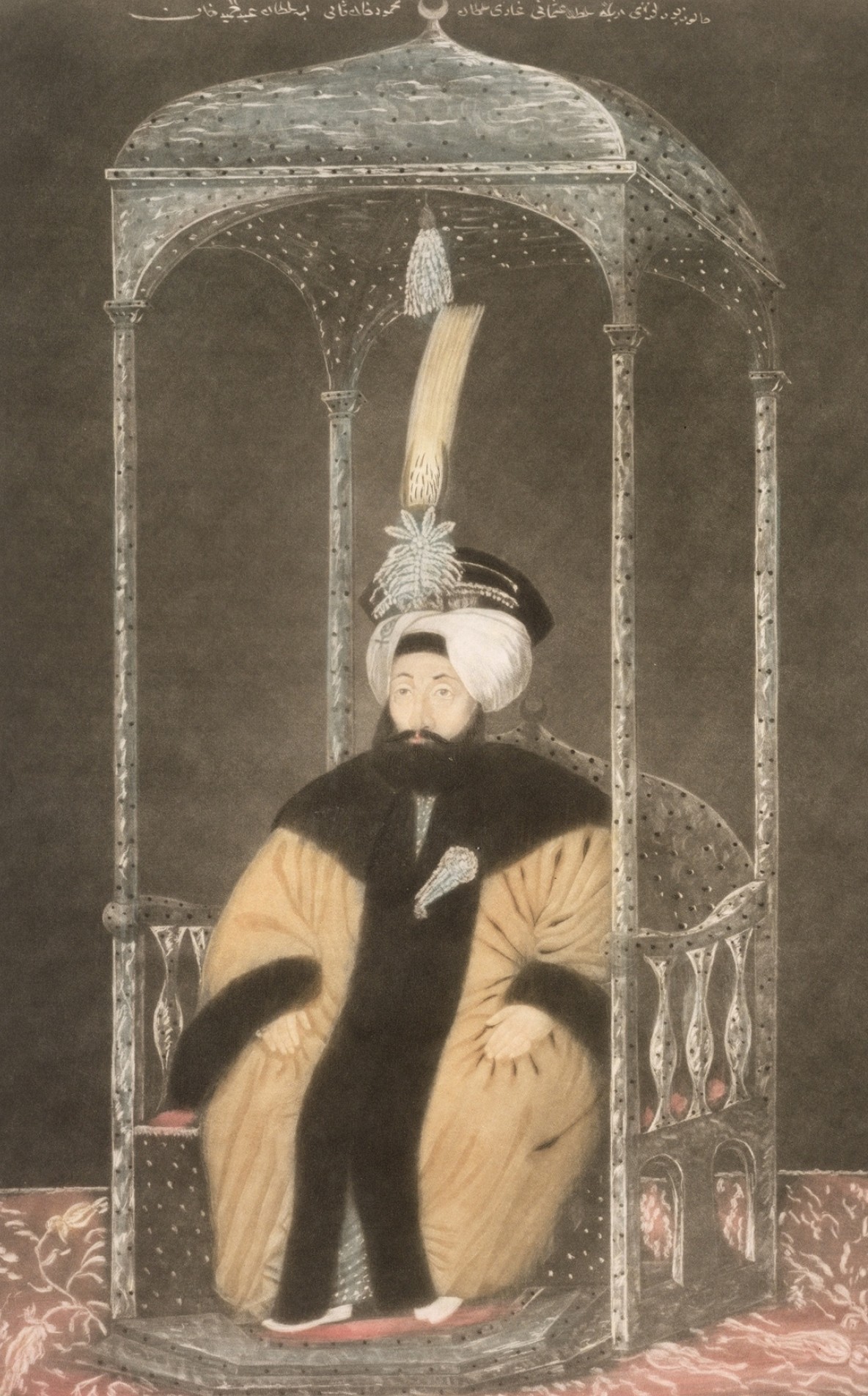
A Letter from Constantinople, March 24, 1821
This year marks the 200th anniversary of the beginning of the Greek Revolution. The traditional date for the beginning of the Revolution is March 25, 1821 — the Feast of the Annunciation. That was…