Tag: civil authorities
-
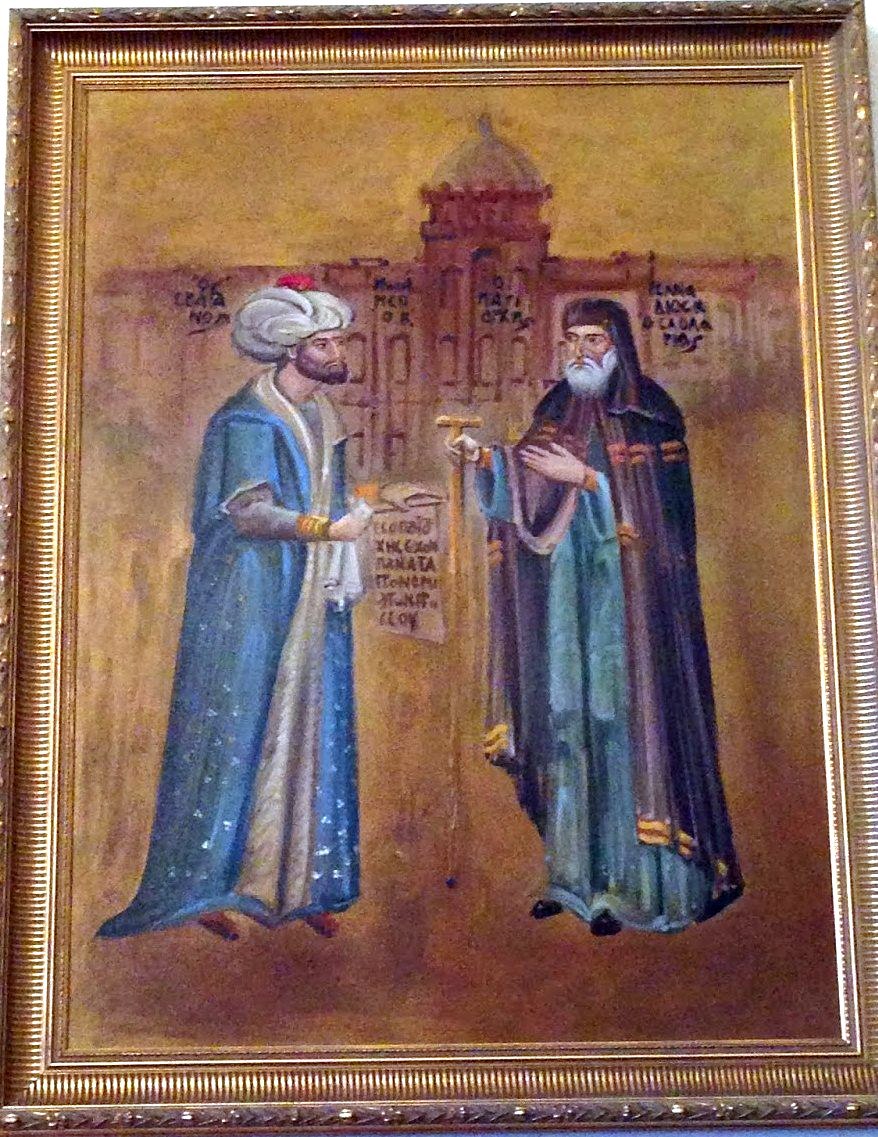
The Donation of Mehmet: The Myth of Orthodoxy under the Ottoman Empire
In 1054, Pope Leo IX of Rome wrote a letter to Ecumenical Patriarch Michael Cerularius, defending his claims to supremacy by citing a document known as the “Donation of Constantine.” This document purported to…
-
When a god visited Congress
In 1934, St John Maximovitch was ordained ROCOR bishop of Shanghai and sent to shepherd the Russian exiles in China. Even before his episcopal ordination, when St John was teaching at the Bitol seminary…
-
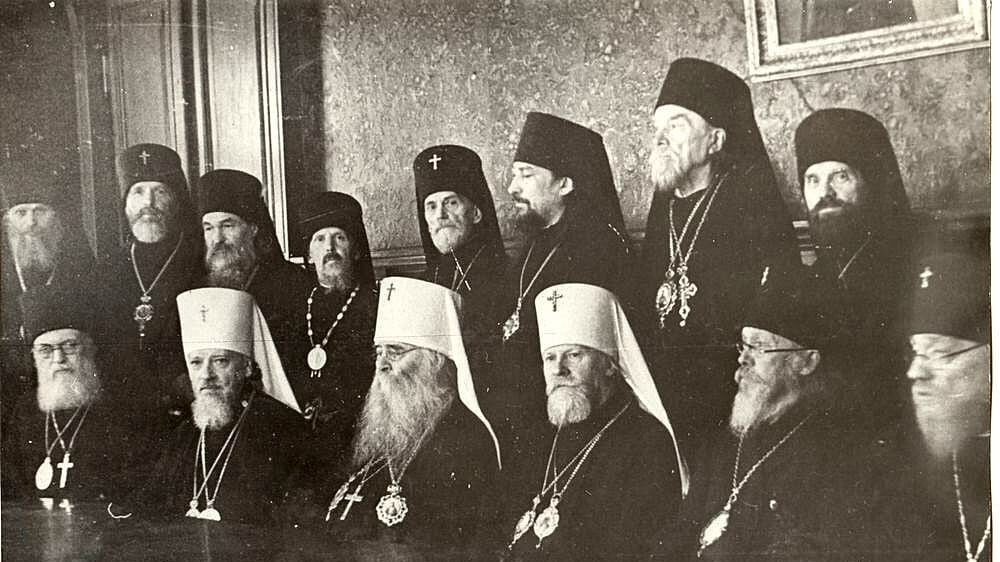
Stalin’s Revival of the Moscow Patriarchate
“When Hitler invaded the USSR in June 1941,” writes historian Jordan Hupka, “Stalin again changed the Soviet position on religion. All anti-religious publications ceased and some churches in major urban centres were allowed to…
-
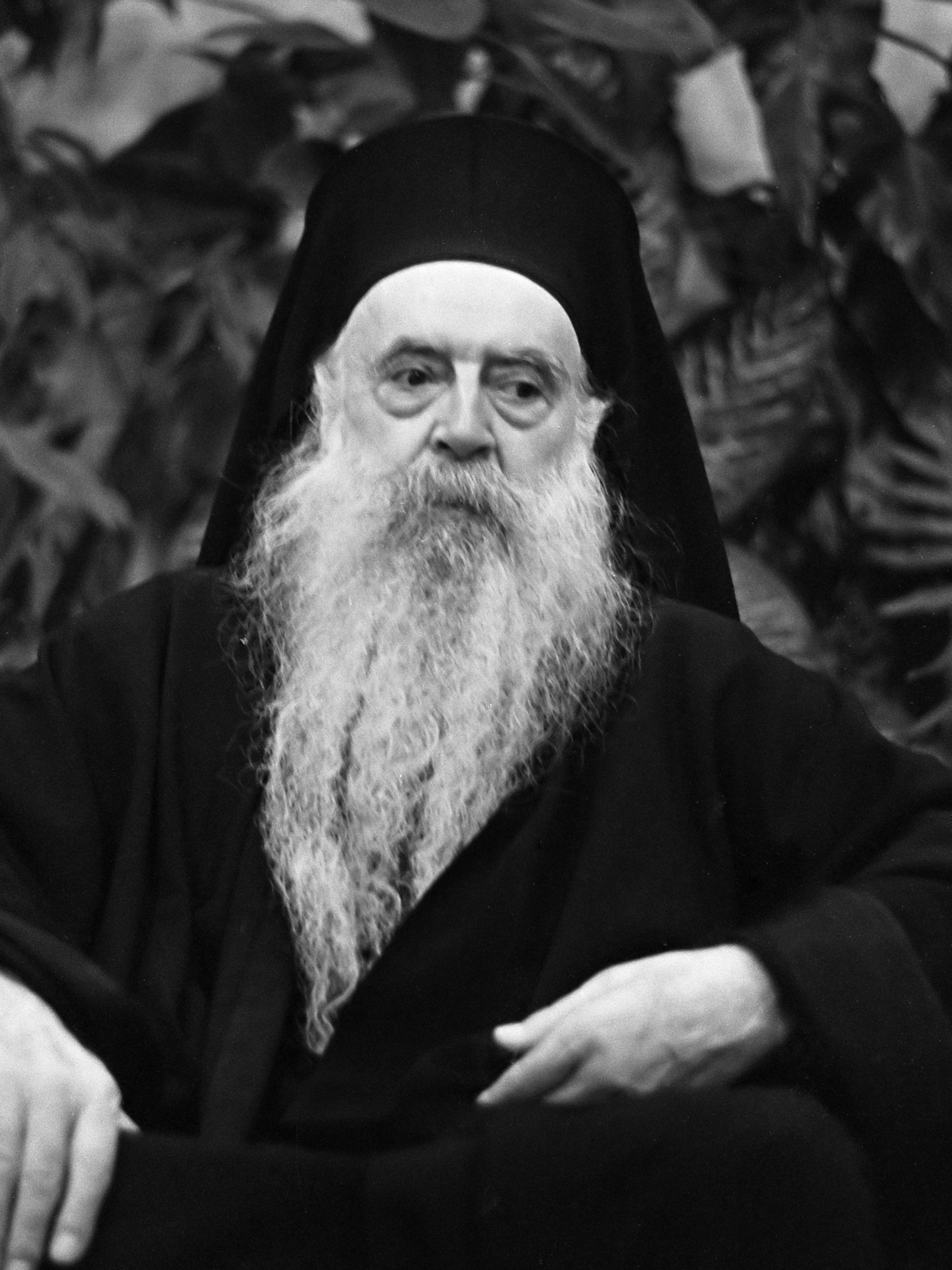
Athenagoras: The EP is not an Orthodox Vatican
For a while now, I’ve been documenting the close relationship between the U.S. government and Ecumenical Patriarch Athenagoras in the early years of the Cold War. It was thanks in large part to American…
-
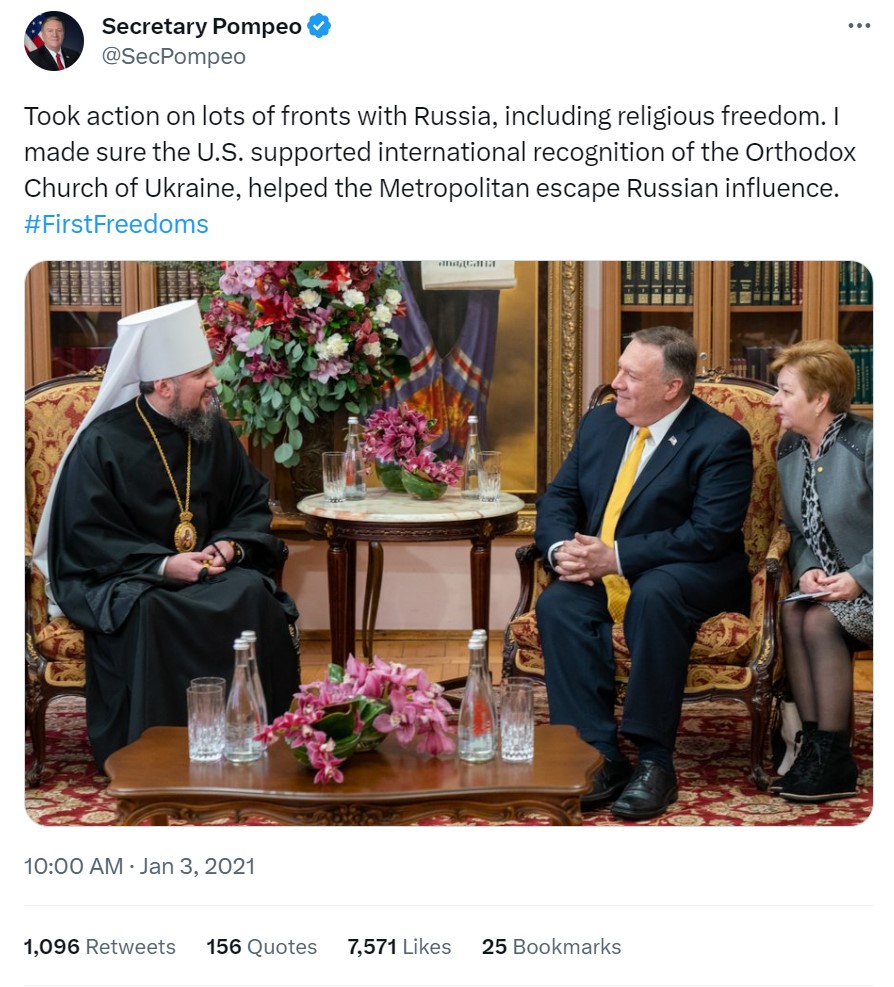
How Did Orthodoxy Get Into This Mess?
It almost goes without saying that the Orthodox world is a mess right now. The situation in Ukraine alone is a disaster: a Russian invasion of the country backed by Patriarch Kirill of Moscow,…
-
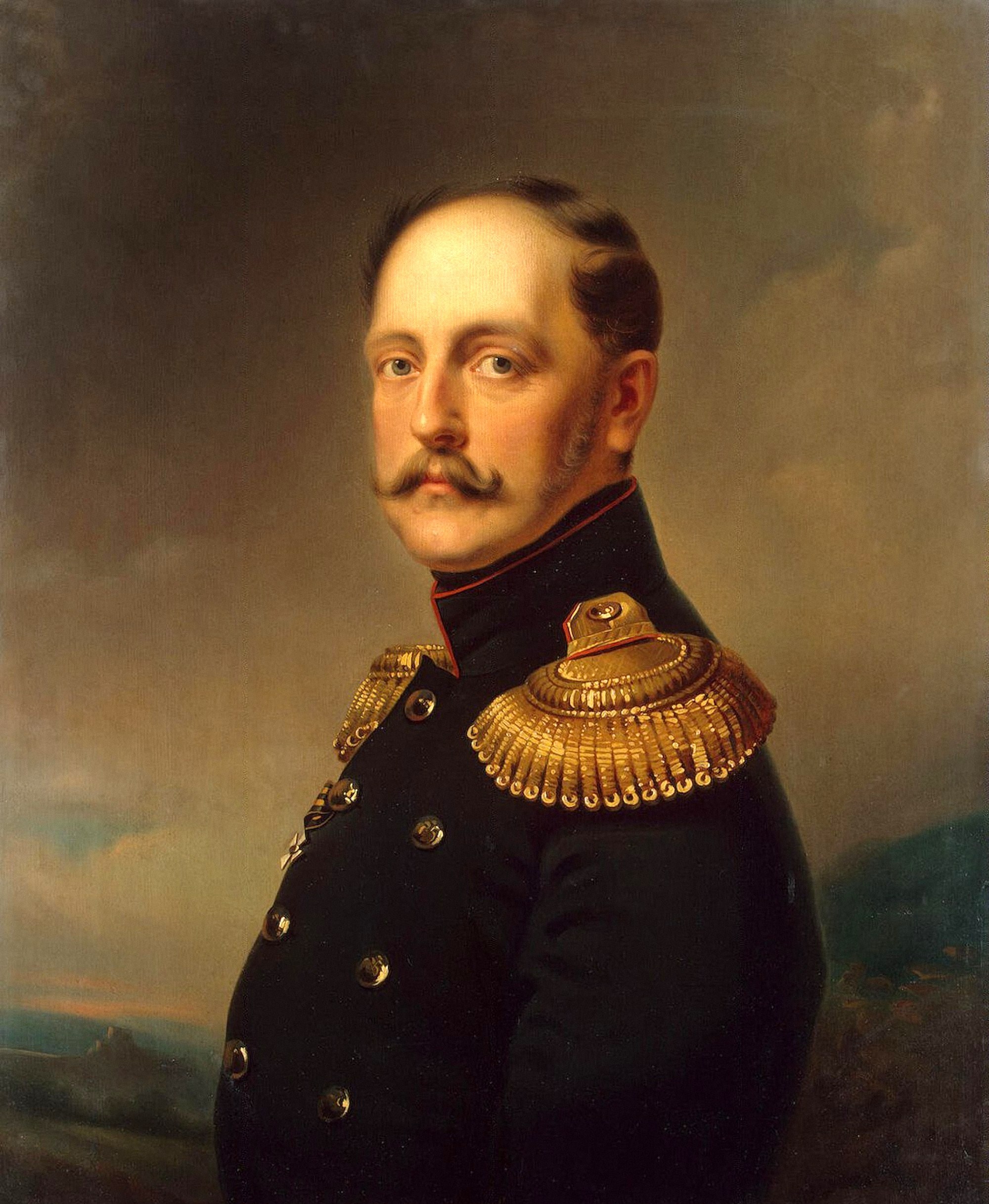
Orthodoxy’s Holy War and the Ecumenical Patriarchate
In a previous article, I wrote about the Ecumenical Patriarchate during the challenging years of 1840-52, leading up to the Crimean War. During this period, the Ottoman government repeatedly meddled in the internal affairs…
-

Trouble in Istanbul: The Early Years of Patriarch Athenagoras
Ecumenical Patriarch Athenagoras was elected at the end of 1948, thanks in no small part to the intervention of the United States government, in coordination with the governments of Turkey and Greece. Athenagoras was…
-
The Ecumenical Patriarchate on the Eve of War, 1840-1852
The great Ecumenical Patriarch Gregory VI was deposed by the Ottoman authorities in 1840. After this, next few Ecumenical Patriarchs came and went in rapid succession: after a year on the throne, Anthimus IV…
-
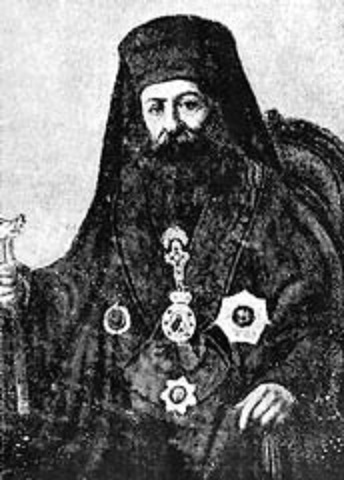
The Patriarch Who Defied the Ottoman Empire
Previously, I told the story of the Ecumenical Patriarchs from the outbreak of the Greek Revolution in 1821 until the resignation of the weak and ineffective Patriarch Constantius II in 1835. Today we’re…
-
The Ecumenical Patriarchate at the Mercy of the Sultan
At around five o’clock in the afternoon on Holy Saturday, 1821, Ecumenical Patriarch Gregory was celebrating the Vesperal Divine Liturgy at the Phanar when Ottoman police surrounded and seized Gregory and the other bishops…